
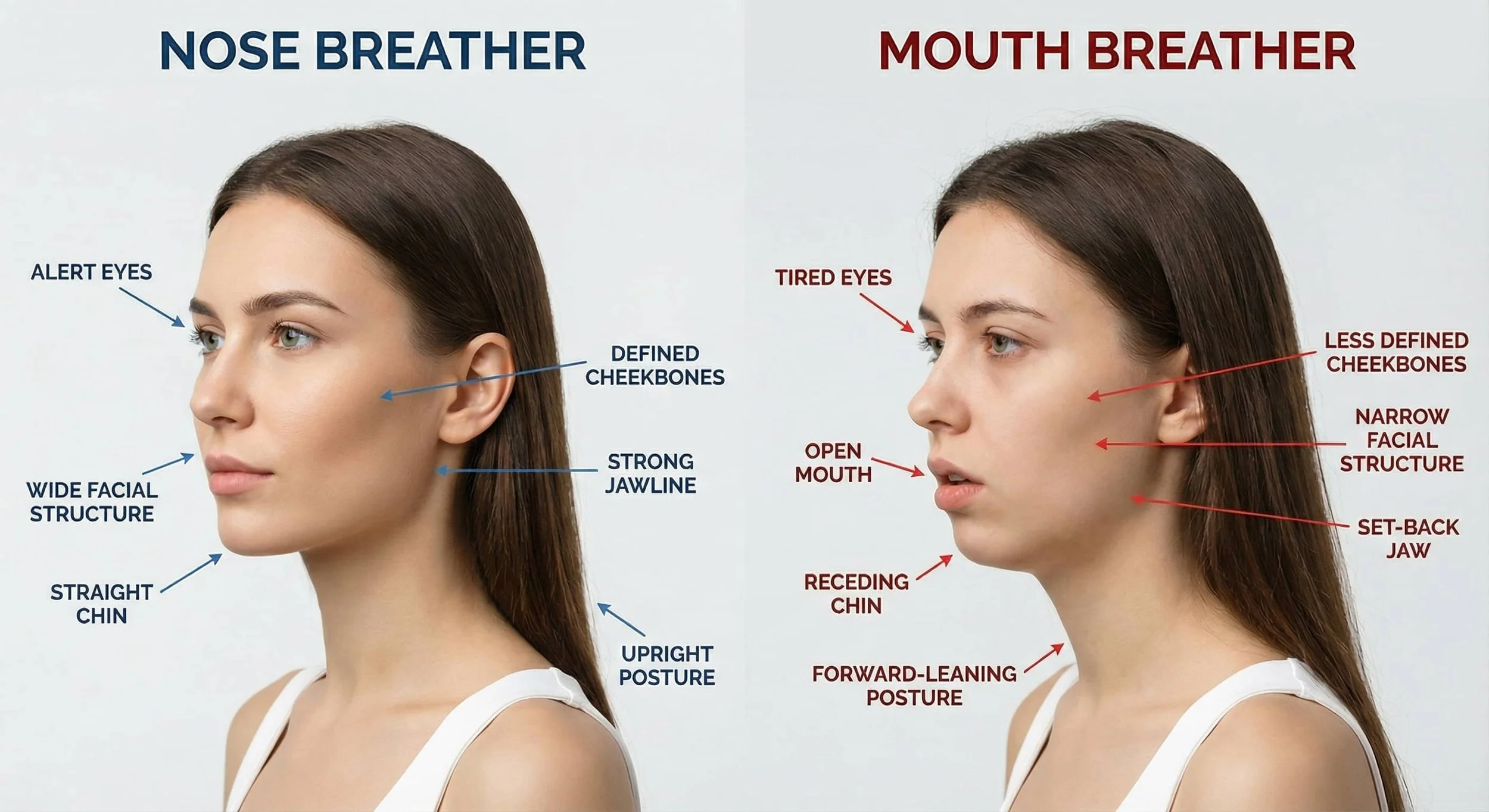
Mouth Breathing & Orthodontics: Why It Matters
Mouth Breathing in Children
How it affects jaw growth and orthodontic health
Mouth breathing is more than just a habit. It can affect facial growth, jaw development, and dental alignment in children.
At Pal Orthodontics of La Jolla, Dr. Arvin Pal carefully evaluates breathing patterns as part of early orthodontic care.
Why Mouth Breathing Happens
Common causes include:
Narrow airway
Allergies
Enlarged tonsils or adenoids
Jaw structure
When nasal breathing is difficult, children adapt by breathing through the mouth.
How Mouth Breathing Affects Growth
Chronic mouth breathing can lead to:
Narrow upper jaw
Crowded teeth
Long facial growth pattern
Poor bite alignment
Increased orthodontic complexity
It can also impact sleep quality, energy levels, and academic performance.
How Orthodontics Can Help
Early orthodontic treatment can:
Widen the upper jaw
Improve airway space
Encourage nasal breathing
Support healthy facial development
These changes can improve both orthodontic and overall health.
When Should Parents Be Concerned?
Watch for:
Snoring
Open-mouth posture
Dark circles under eyes
Crowded teeth
Narrow smile
An early evaluation helps determine the cause and best treatment timing.
Schedule a Free Consultation
Families across La Jolla trust Pal Orthodontics for airway-focused orthodontic care.
👉 Schedule a free orthodontic consultation to learn how breathing and bite health are connected.
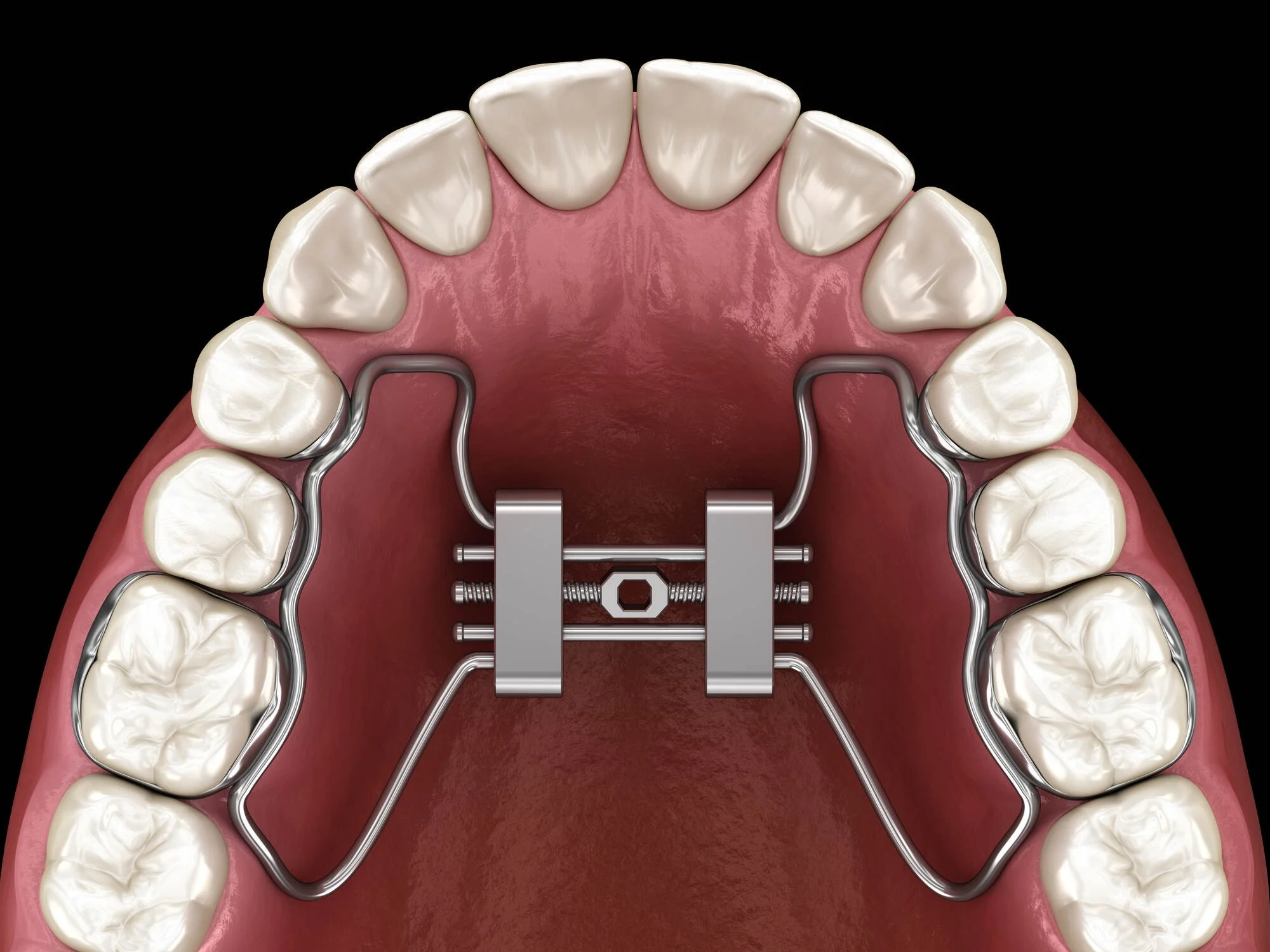
Palate Expanders: What Parents Need to Know
Palate Expanders for Kids
How early expansion can guide jaw growth and breathing
Parents are often surprised when they hear their child may need a palatal expander. While the word “expander” can sound intimidating, but this appliance plays a powerful role in guiding healthy jaw growth and preventing more complex orthodontic problems later in life.
At Pal Orthodontics of La Jolla, Dr. Arvin Pal uses expanders as part of early orthodontic treatment to support proper jaw development, airway health, and tooth alignment.
What is a Palate Expander?
A palate expander is an orthodontic appliance that gently widens the upper jaw. It works by applying controlled pressure to the growth center of the jaw while a child is still developing.
Expanders are most effective in children because the upper jaw has not yet fused, allowing growth to be guided naturally. Once the jaw bones mature later in childhood, expansion becomes more difficult and requires more invasive techniques. Expanders can be fixed (cemented onto the teeth, and not removable at home), or removable (patients can take them off themselves).
Why Would a Child Need a Palate Expander?
Children may benefit from an expander if they have:
A narrow upper jaw
Crowded or overlapping teeth
Crossbite
Mouth breathing
Impacted or blocked-out adult teeth
Airway concerns
Expanding the jaw creates space for adult teeth and improves how the upper and lower teeth fit together.
How Expanders Help Prevent Bigger Problems
Early jaw expansion can:
Reduce crowding
Improve bite alignment
Support nasal breathing
Lower the risk of extractions
Decrease the chance of jaw surgery later
What is it Like for a Child to Wear an Expander?
Most children adapt quickly. There may be mild pressure for a few days, and speech may sound different at first. Parents help turn the expander at home following Dr. Pal’s instructions.
Within weeks, the jaw widens and the appliance does its job. You may notice spaces open between the upper front teeth, but this is completely normal and is a sign that the expansion was successful - the spaces will be closed later with braces.
Typically, expanders need to be worn for at least 6 months, but only the first 1-2 months require activation of the expander. The remaining time is used to allow the jaw bones to stabilize to their new width. Premature removal of an expander risks a relapse of the jaw bones back to their original size.
Does Every Child Need an Expander?
No. Expanders are recommended only when jaw width or bite issues are present. Many children simply need monitoring until the right time for braces or Invisalign.
Families throughout La Jolla and San Diego appreciate Pal Orthodontics’ conservative, growth-focused approach.
Schedule a Free Orthodontic Consultation
If you’ve been told your child may need an expander, a professional evaluation can bring clarity and reassurance.
👉 Schedule a free consultation at Pal Orthodontics of La Jolla to learn how early guidance can support your child’s healthiest smile.
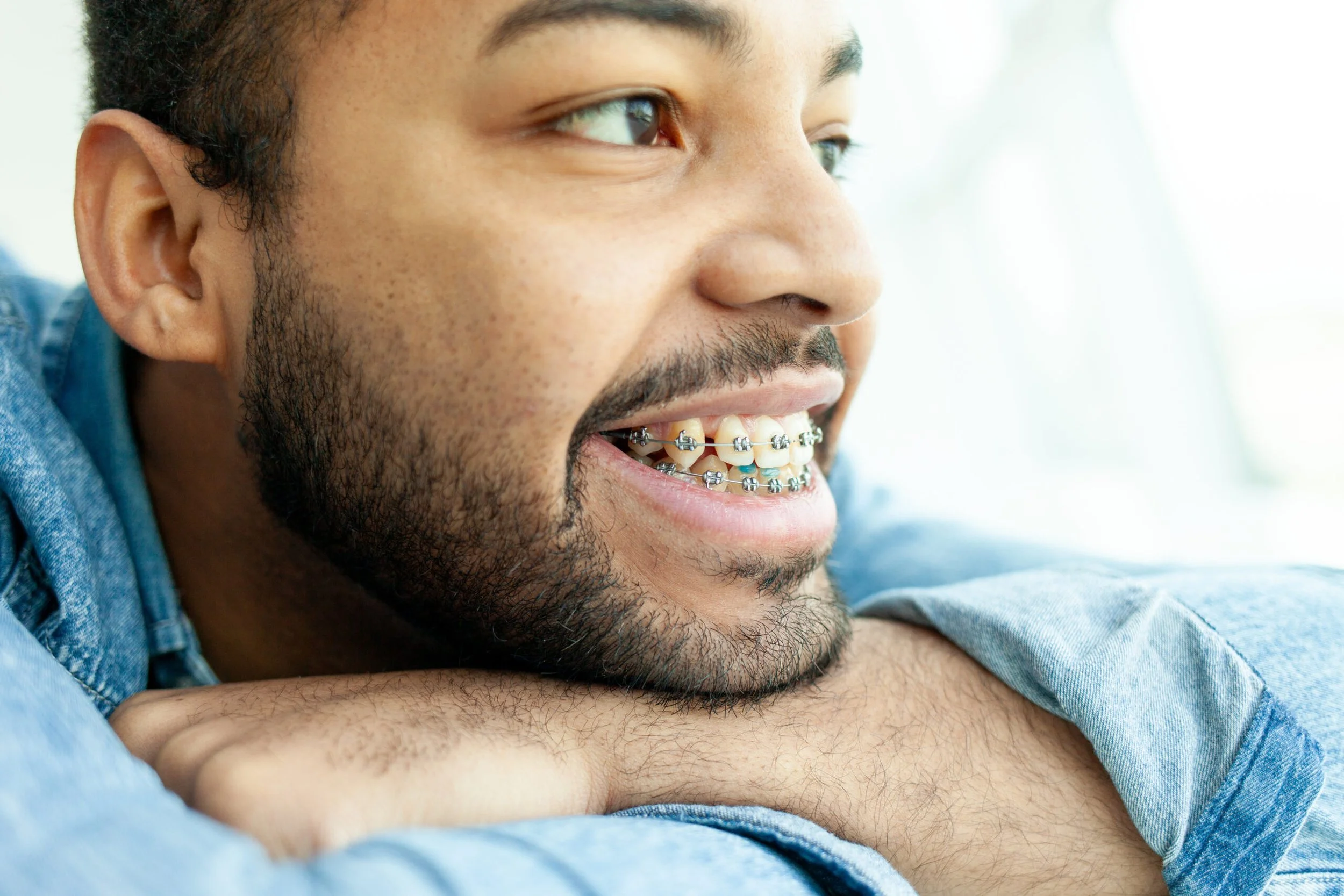
Invisalign vs Braces for Adults: Which is Right for You?
Invisalign vs Braces for Adults
Find the best option for your smile, lifestyle, and goals
More adults than ever are choosing orthodontic treatment to improve their smiles, bite, and long-term oral health. One of the most common questions we hear is:
Should I choose Invisalign or traditional braces?
At Pal Orthodontics of La Jolla, Dr. Pal helps adults choose the option that best fits their goals, lifestyle, and orthodontic needs.
Why Adults Seek Orthodontic Treatment
Adult orthodontic care isn’t just about aesthetics. Proper alignment can:
Improve bite function
Reduce uneven tooth wear
Support gum health
Relieve jaw strain
Enhance long-term stability
Modern orthodontics offers discreet, comfortable options tailored for busy adult lifestyles.
What is Invisalign?
Invisalign uses a series of custom-made clear aligners to gradually move teeth into proper alignment. The aligners are removable, nearly invisible, and designed for comfort.
Benefits of Invisalign for Adults
Clear and discreet appearance
No food restrictions
Easier oral hygiene access
Smooth, metal-free trays
Fewer emergency visits
Invisalign is ideal for mild to moderate alignment and bite issues when compliance is good.
What Are Braces?
Traditional braces use brackets and wires to move teeth with precise control. Today’s braces are smaller, more comfortable, and more efficient than ever.
Benefits of Braces for Adults
Excellent for complex cases
No need to remember aligners everyday
Highly predictable results
Effective for significant bite correction
Braces may be recommended for more complex tooth or jaw movement.
Invisalign vs Braces: Key Differences
Invisalign
Best for adults who want:
A nearly invisible treatment option
Removable aligners for eating and brushing
Minimal lifestyle disruption
Discreet orthodontic care
Comfort without brackets or wires
Ideal for: mild to moderate alignment and bite correction
Braces
Best for adults who need:
Complex tooth movement
Significant bite correction
Maximum control and precision
No need to remember aligners
Reliable results for difficult cases
Ideal for: moderate to complex orthodontic treatment
Which Option Is Right for You?
The best choice depends on:
Your bite and alignment needs
Lifestyle preferences
Treatment goals
Long-term stability
During your consultation, Dr. Pal evaluates your smile and discusses the pros and cons of each option so you can make a confident, informed decision.
Adults throughout La Jolla and the San Diego area appreciate Dr. Pal’s personalized, no-pressure approach to orthodontic care.
Schedule a Free Adult Orthodontic Consultation
Whether you’re considering Invisalign or braces, expert guidance makes all the difference.
👉 Schedule a free orthodontic consultation at Pal Orthodontics of La Jolla and explore the best option for your smile.
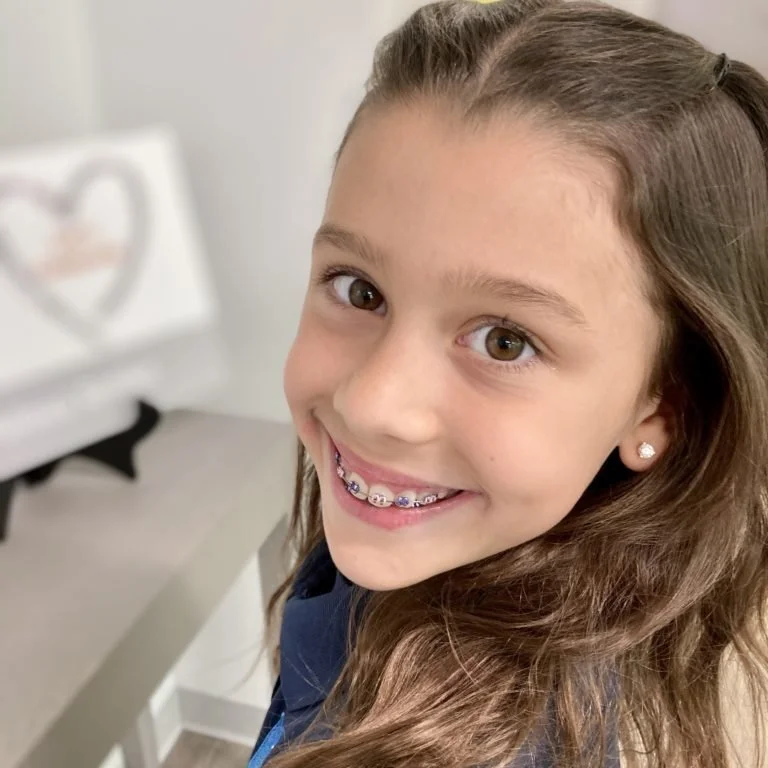
Signs Your Child May Need Braces
Signs Your Child May Need Braces
Early evaluation can guide jaw growth and prevent bigger problems later
Many parents assume orthodontic treatment only becomes relevant once all adult teeth are in. In reality, there are often early signs that a child may need braces or other orthodontic care long before the teenage years.
Recognizing these signs early allows orthodontists to guide jaw growth, monitor development, and prevent more complex problems later on.
At Pal Orthodontics of La Jolla, Dr. Pal evaluates children as early as age 7 to determine whether treatment is needed now or simply monitored for the right time.
Why Early Signs Matter
Orthodontic issues don’t usually appear overnight — they develop gradually as the jaws and teeth grow. Early evaluation helps identify whether a problem is dental (tooth-related), skeletal (jaw-related), or a combination of both.
Some conditions are much easier to correct while a child is still growing. If missed, they may require longer treatment, extractions, or even jaw surgery later in life.
Common Signs Your Child May Need Braces
1. Crowded or Overlapping Teeth
If teeth appear crooked, crowded, or overlapping, it may mean there isn’t enough space in the jaw. Early orthodontic treatment can help create room and guide proper eruption of adult teeth.
2. Difficulty Chewing or Biting
Children who struggle to bite into food or chew evenly may have a bite misalignment that should be evaluated.
3. Early or Late Loss of Baby Teeth
Losing baby teeth too early or too late can disrupt how adult teeth come in and may increase the risk of crowding or impaction.
4. Mouth Breathing
Chronic mouth breathing can affect facial growth, jaw development, and airway health. Orthodontic evaluation can help identify underlying structural issues.
5. Thumb-Sucking Beyond Age 5
Prolonged thumb-sucking can push teeth forward and alter jaw growth, increasing the likelihood of bite problems.
6. Crossbite, Overbite, or Underbite
If the top teeth sit inside the bottom teeth (crossbite), protrude excessively (overbite), or sit behind them (underbite), early intervention may be needed to guide jaw development.
7. Jaw Shifting, Clicking, or Asymmetry
Jaws that shift when opening or closing, or appear uneven, can signal growth discrepancies that are best addressed early.
Does This Mean My Child Needs Braces Right Now?
Not necessarily.
At Pal Orthodontics of La Jolla, many children who show early signs of crowding do not start braces immediately. Instead, they are monitored over time so treatment can begin at the most effective moment to get the best possible results in the least amount of time.
Early orthodontic evaluations are about:
Timing treatment correctly
Preventing problems from worsening
Reducing treatment length later
Avoiding more invasive options
The Value of an Early Orthodontic Evaluation
Seeing an orthodontist early allows families to understand what’s happening and what to expect. In many cases, early care can reduce the need for extractions or complex procedures in the future.
Families throughout La Jolla and the surrounding San Diego area trust Pal Orthodontics for thoughtful, conservative orthodontic care focused on long-term health — not rushing treatment before it’s needed.
Schedule a Free Orthodontic Consultation
If you’ve noticed any of these signs, or if you simply want peace of mind, an orthodontic evaluation can provide clarity and reassurance.
👉 Schedule a free consultation at Pal Orthodontics of La Jolla and learn how early guidance can support your child’s healthiest smile.
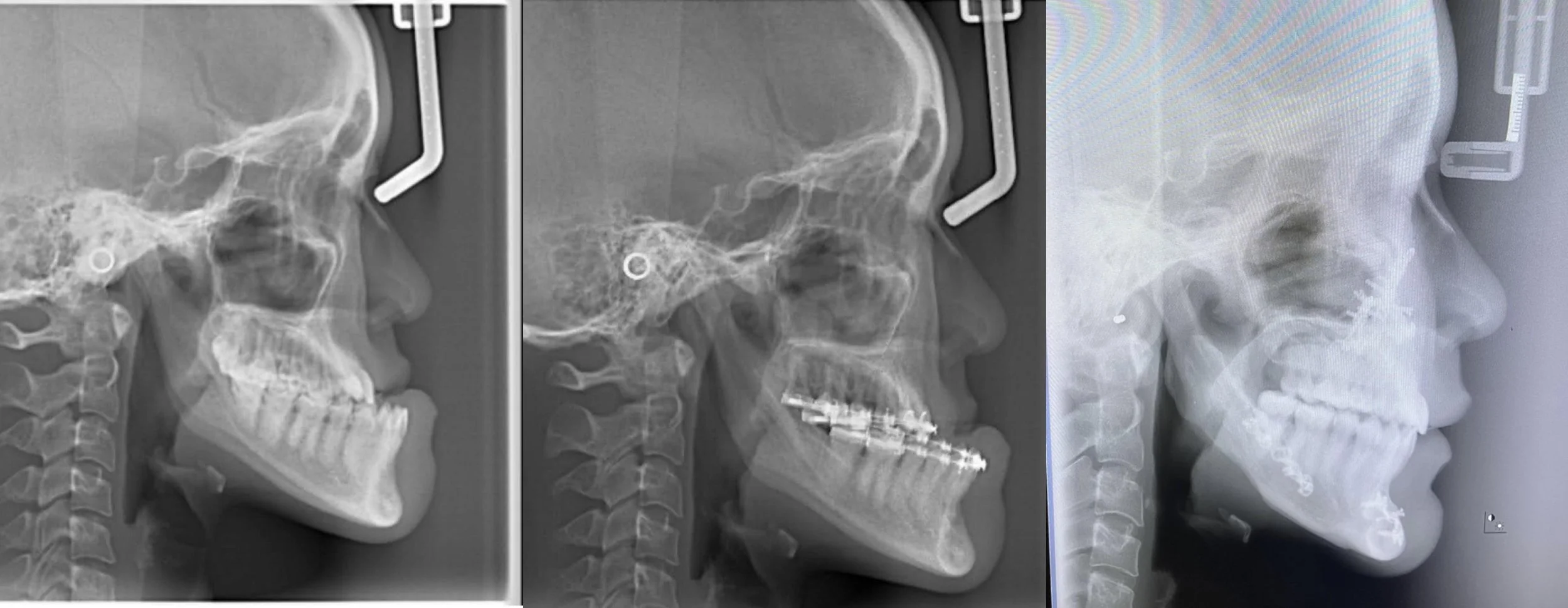
Early Orthodontic Treatment vs Jaw Surgery: Why Timing Matters
Early Orthodontic Treatment vs Jaw Surgery
Why treating jaw growth early can help prevent surgery later in life.
Orthodontic treatment is not just about straight teeth — it’s about guiding healthy jaw growth.
When jaw discrepancies are caught early, orthodontists can guide growth using appliances like expanders, headgear, or functional devices. Once growth stops, these options are no longer available. This is why it is crucial for children to be evaluated by an orthodontist starting at age 7. At Pal Orthodontics of La Jolla, we see many parents interested in providing the best possible results for the children without invasive or painful treatment modalities.
What Happens if Early Treatment is Missed?
After growth is complete:
Jaw differences become permanent
Braces or Invisalign alone (without extractions or jaw surgery) may not be sufficient
Jaw surgery, also known as orthognathic surgery, may be required to change the size or position of bone structure
Jaw surgery involves hospitalization, recovery time, and significantly higher costs to overall treatment.
How Early Orthodontics Helps
Early treatment can:
Reduce the severity of jaw discrepancies
Improve facial balance
Enhance airway development
Avoid extractions or the need for surgical intervention later
Early evaluations protect future options.
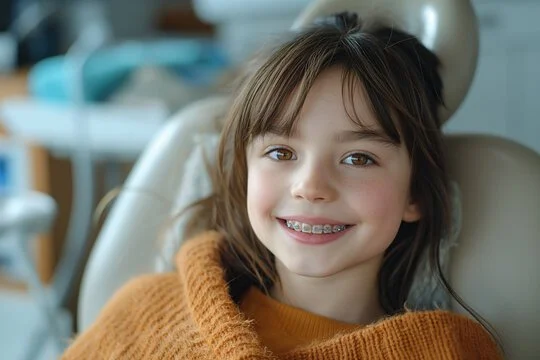
What Age Should Children See an Orthodontist? (Expert Guide by Dr. Pal)
Parents often wonder when their child should have their first orthodontic evaluation. The answer may surprise you:
The American Association of Orthodontists recommends that every child see an orthodontist by age 7.
This early visit does not mean your child will need braces right away — in fact, most kids don’t. Instead, it provides valuable insight into how their smile, bite, and jaw are developing.
Why Age 7 is the Ideal Time for an Orthodontic Evaluation
By age 7, children typically have a mix of baby teeth and adult teeth. This gives your orthodontist an early view of how the future smile will form. At this stage, we can detect issues long before they become harder (and more costly) to correct.
At Pal Orthodontics of La Jolla, Dr. Pal evaluates:
Bite alignment (overbite, underbite, crossbite)
Jaw growth and symmetry
Spacing or crowding concerns
Airway development
Habits like thumb-sucking or mouth breathing
Eruption patterns of adult teeth
Identifying these early helps guide growth in the right direction.
Early Orthodontic Care Helps Prevent Bigger Problems Later
Seeing an orthodontist at age 7 is about being proactive, not reactive:
✔ Correct jaw growth while a child is still developing
Early intervention can guide the jaws into better positions — something that becomes much harder in the teen years.
✔ Prevent the need for extractions or jaw surgery
Proper spacing and early growth guidance often eliminate the need to for jaw surgery or permanent tooth extraction in the future.
✔ Improve airway and breathing
Palatal expanders and early appliances can widen the airway, helping with snoring, mouth breathing, or sleep disordered breathing.
✔ Boost confidence early
Some children benefit from early alignment that can greatly improve self-esteem by giving them a smile they display with pride.
Does My Child Need Braces at Age 7?
Usually not.
Most children do not begin treatment until ages 11–13, once most adult teeth are in place.
The early visit is simply a checkup — think of it as an orthodontic “annual physical.”
At Pal Orthodontics, we closely monitor your child’s growth with periodic check-ins (free of charge), ensuring treatment starts at the ideal moment.
Signs Your Child May Need an Orthodontic Evaluation
Schedule an orthodontic visit if you notice:
Crowded or misplaced teeth
Difficulty chewing
Mouth breathing
Thumb-sucking after age 5
Early or late loss of baby teeth
Jaw clicking or shifting
Crossbite (top teeth sit inside bottom teeth)
These are red flags that evaluation should happen soon!
Why Choose Pal Orthodontics of La Jolla for Your Child?
Dr. Arvin Pal provides a boutique, family-focused orthodontic experience where every child is treated as if they were his own. Our approach is gentle, conservative, and growth-guided — focusing on long-term facial, airway, and dental health.
Parents love that:
We specialize in children’s orthodontics and early treatment
We monitor growth until treatment is needed
We offer braces, Invisalign, expanders, retainers, and airway-focused care
We create a fun, welcoming environment for kids
We offer free orthodontic consultations
Schedule Your Child’s Free Orthodontic Evaluation
Whether your child is 7 or older, we’re here to help you understand how their smile is developing.
👉 Schedule a free consultation:
Your child’s future smile starts with a simple early visit.